
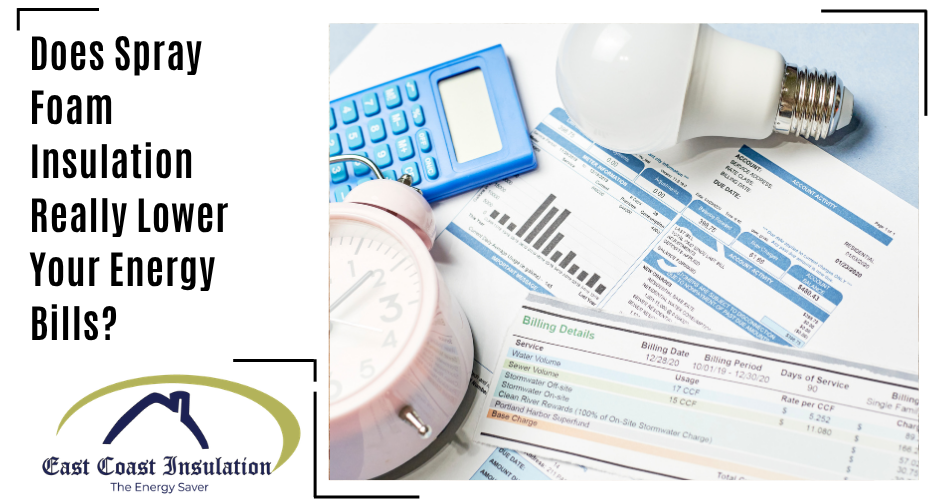
If your heating and cooling bills seem to climb every year, your insulation may be part of the problem. Many homeowners are surprised to learn that poor insulation allows conditioned air to escape, forcing HVAC systems to work harder and longer.
That’s why so many people ask: Does spray foam insulation really lower your energy bills?
The answer is yes. When professionally installed, spray foam insulation can significantly reduce energy loss by creating an airtight seal that traditional insulation simply can’t match.
Why Do Homes Lose Energy?
Even homes with fiberglass insulation can have air leaks around:
- Windows and doors
- Plumbing penetrations
- Electrical wiring
- Attic access points
- Rim joists
- Crawl spaces
- Exterior wall gaps
According to the U.S. Department of Energy, air leaks can account for a substantial portion of a home’s energy loss. Every time conditioned air escapes, your HVAC system has to replace it—using more energy and increasing your monthly utility bills.
How Spray Foam Insulation Works
Unlike fiberglass batts or blown-in insulation, spray foam expands after application to fill cracks, gaps, and hard-to-reach spaces.
Once cured, it creates an air-tight barrier that helps keep:
- Cool air inside during the summer
- Warm air inside during the winter
- Outdoor humidity from entering your home
- Conditioned air from escaping
This means your heating and cooling system doesn’t have to work as hard to maintain a comfortable indoor temperature.
How Much Can You Save?
Every home is different, so energy savings vary depending on:
- The age of your home
- Existing insulation
- Local climate
- HVAC efficiency
- Areas being insulated
Many homeowners notice a reduction in their monthly utility bills after installing spray foam insulation, especially if their previous insulation was outdated or insufficient.
The greatest savings often come from insulating high-impact areas like:
- Attics
- Crawl spaces
- Exterior walls
- Rim joists
These areas are among the biggest sources of air leakage in most homes.
Additional Benefits Beyond Lower Energy Bills
Lower utility costs are just one reason homeowners choose spray foam insulation.
Other benefits include:
More Comfortable Rooms
Do you have one room that’s always hotter or colder than the rest of the house?
Spray foam helps maintain more consistent indoor temperatures by reducing drafts and minimizing air movement throughout your home.
Better Indoor Air Quality
Because spray foam seals gaps where outside air enters, it can help reduce:
- Dust
- Pollen
- Outdoor allergens
- Humidity
- Airborne pollutants
This can create a cleaner, healthier indoor environment.
Less Stress on Your HVAC System
When your HVAC system doesn’t have to run as frequently, it experiences less wear and tear. Over time, this may help extend the life of your heating and cooling equipment while reducing maintenance costs.
Moisture Control
Closed cell spray foam also acts as a moisture barrier, helping reduce the risk of mold and mildew in areas like crawl spaces, basements, and exterior walls.
Closed Cell vs. Open Cell Spray Foam
Both types of spray foam improve energy efficiency, but they serve different purposes.
Closed Cell Spray Foam
- Higher R-value (approximately R-6 to R-7 per inch)
- Superior moisture resistance
- Adds structural strength
- Ideal for crawl spaces, exterior walls, and metal buildings
Open Cell Spray Foam
- Excellent air sealing
- Great sound reduction
- More affordable
- Commonly used in attics and interior walls
A professional insulation contractor can recommend the best option based on your home’s construction and your energy-saving goals.
Is Spray Foam Worth the Investment?
Although spray foam insulation has a higher upfront cost than traditional insulation, many homeowners find that the long-term benefits outweigh the initial investment.
Over time, spray foam can provide:
- Lower monthly utility bills
- Improved comfort
- Better moisture protection
- Increased home value
- Long-lasting insulation performance
Because spray foam doesn’t settle or sag like some traditional insulation materials, it continues performing efficiently for decades.
Frequently Asked Questions
How quickly will I notice lower energy bills?
Many homeowners begin noticing improved comfort immediately and reduced utility costs within the first few billing cycles after installation.
Does spray foam work in older homes?
Yes. Spray foam is an excellent option for older homes that have air leaks or insufficient insulation. It can often improve energy efficiency without requiring major structural changes.
Is spray foam better than fiberglass?
For air sealing and energy efficiency, spray foam generally outperforms fiberglass because it expands to seal gaps that fiberglass cannot.
Will spray foam make my HVAC system last longer?
Since your heating and cooling system won’t have to run as often, it may experience less wear over time, potentially extending its lifespan.
Ready to Start Saving on Energy Costs?
If you’re tired of high utility bills and uneven temperatures throughout your home, spray foam insulation could be the solution you’ve been looking for. At East Coast Insulation, we help homeowners and businesses improve comfort, reduce energy waste, and protect their investment with professional insulation solutions tailored to their needs.
Ready to lower your energy bills and make your home more comfortable year-round?
Contact East Coast Insulation today to schedule a free consultation and learn how spray foam insulation can help you save money while improving your home’s energy efficiency.