
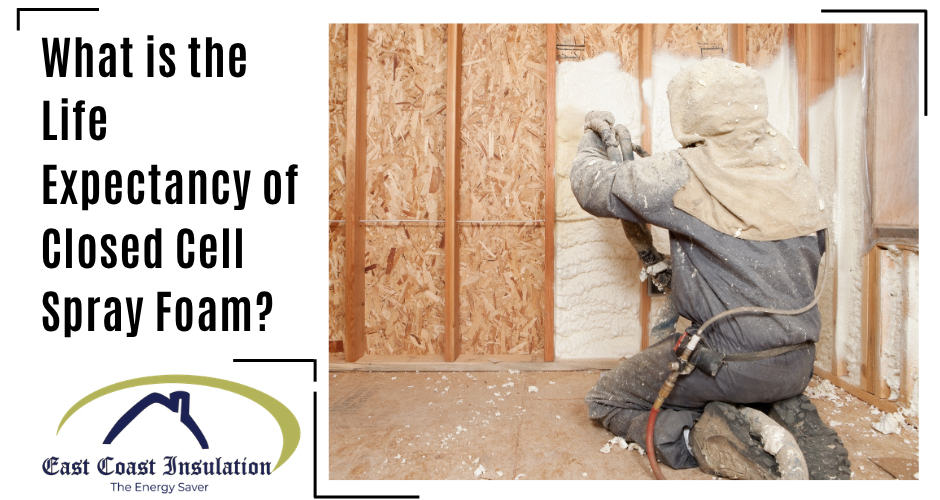
Closed cell spray foam insulation is a popular choice for homeowners looking to maximize R-value, reduce air leakage, and improve overall building performance. Understanding its life expectancy helps homeowners make informed decisions about investments, maintenance, and overall home resilience.
Introduction to closed cell spray foam insulation
Closed cell spray foam insulation is made from low-density polyurethane or polyisocyanurate foam that cures into a rigid, dense barrier. Its closed cells trap gases, providing high insulation value and excellent moisture resistance. When installed correctly, it not only slows heat transfer but also contributes to structural strength and air sealing.

How life expectancy is measured
Life expectancy for building materials like closed cell spray foam insulation is influenced by several factors:
- Installation quality: Proper mixing, layering, and equipment calibration are critical.
- Substrate and climate: Humidity, temperature fluctuations, and moisture exposure affect longevity.
- Environments and use: Attics, crawl spaces, walls, and basements each present unique challenges.
- Maintenance and damage: Pest intrusion, mechanical damage, or leaks can shorten service life.
In general, spray foam is designed to last the lifetime of the building, but actual performance depends on conditions and care.
Typical longevity of closed cell spray foam
Closed cell spray foam insulation is widely regarded as long-lasting. Many manufacturers and industry professionals cite a life expectancy of 80 to 100 years under normal conditions. Some key points:
- Closed cell spray foam tends to resist decay and is not prone to mold when properly installed and kept dry.
- The foam itself is relatively inert and can maintain its insulating properties for decades.
- Over time, some minor shrinkage or settling can occur, but it usually does not compromise performance if installation adhered to best practices.
Factors that can influence lifespan
Several variables can influence how long closed cell spray foam remains effective:
- Moisture exposure: Persistent dampness can degrade adhesion or lead to issues with adjacent materials.
- UV exposure: Direct sun exposure without proper protective coatings can degrade exterior foam. In most applications, foam is covered by siding or other materials.
- Temperature swings: Extreme heat or cold can cause micro-cracking, potentially affecting air sealing.
- Structural movement: Shifts in the building structure can create gaps if the foam was not installed to accommodate movement.
- Coatings and protection: Some applications use protective coatings or cladding that help preserve the foam.
Maintenance and inspection practices
Even though closed cell spray foam is durable, proactive maintenance extends its life:
- Regular inspections: Look for cracking, delamination, or water intrusion around roof lines, exterior walls, and penetrations.
- Moisture management: Ensure proper drainage and ventilation to prevent hidden moisture issues.
- Pest control: Seal any gaps that could invite insects or rodents, as pests can compromise the foam or its adhesion.
- Exterior protection: Ensure siding and protective barriers remain intact to shield foam from UV exposure and physical damage.
Common myths about life expectancy
- Myth: Spray foam lasts forever. Reality: While durable, it can degrade if exposed to harsh conditions or poor installation.
- Myth: Once installed, no maintenance is needed. Reality: Like many building materials, sealant performance benefits from periodic checks.
- Myth: All closed cell foams have identical lifespans. Reality: Formulations vary; quality, thickness, and application method influence longevity.
How to maximize the life of closed cell spray foam insulation
To get the most from closed cell spray foam insulation, consider:
- Choose experienced installers with proven track records to ensure proper mixing, adhesion, and curing.
- Ensure the foam is properly protected from UV exposure with appropriate cladding or coatings.
- Maintain a dry environment around the insulated areas to prevent moisture-related issues.
- Use compatible materials: Ensure that all coverings, tapes, and fasteners are compatible with spray foam to prevent reactions or bonding failures.
- Plan for movement: Design and install foam to accommodate structural movement and thermal expansion.
Final thoughts
Closed cell spray foam insulation offers impressive longevity under suitable conditions, with many sources suggesting a life expectancy in the decades to a century range. The key to achieving that performance lies in quality installation, environmental protection, and proactive maintenance. When installed correctly and kept dry, closed cell spray foam insulation can deliver reliable insulation, moisture resistance, and potential structural benefits for many years to come. Regular inspections and proper protection will help you realize its full lifespan and maximize your home’s energy efficiency.